

I’m Kristin Uppal, founder of Vitaliat and a Certified Holistic Health Practitioner, Metabolic Balance® Coach, and Wellness Educator with over 20 years of experience in fitness, nutrition, and health coaching. My own health journey taught me that true wellness goes far beyond calories and exercise — it requires addressing the whole person: mind, body, and lifestyle. That’s exactly why I created Vitaliat: to help people cut through the confusion, understand what’s actually happening in their bodies, and build sustainable habits that support vibrant health for life.
GLP-1 medications — Ozempic, Wegovy, Mounjaro — have changed the conversation around weight management. For many people, they work. But as more research emerges, one concern is becoming increasingly hard to ignore: the significant loss of muscle mass that often accompanies GLP-1-driven weight loss.
This isn’t a small detail. Muscle is your metabolic engine. Losing it has consequences that outlast the medication — and for women especially, protecting it requires an intentional strategy.
What the Research Is Showing
Clinical trials on semaglutide (Ozempic/Wegovy) and tirzepatide (Mounjaro/Zepbound) have found that a significant proportion of the weight lost on GLP-1 medications is lean mass — not just fat. Some estimates suggest that within a few years of starting treatment, people may experience muscle loss equivalent to approximately 20 years of age-related decline.
A May 2026 Washington Post analysis noted that new research suggests GLP-1s may not shrink muscle mass as severely as initially feared — but the concern remains real enough that researchers at Stanford Medicine are actively investigating drug interventions to protect muscle during GLP-1 treatment.
For women over 40, who are already navigating natural muscle loss from age and hormonal changes, the compounding effect is significant. Reduced muscle mass means:
– A slower resting metabolism (muscle burns more calories than fat at rest)
– Reduced strength and functional capacity
– Higher risk of weight regain after stopping medication
– Worsened insulin sensitivity over time
– Reduced bone density support
– Increased risk of injury
Why This Matters More for Women
Women tend to have less muscle mass than men to begin with, and the hormonal shifts of perimenopause already accelerate muscle loss through reduced oestrogen and testosterone. Adding GLP-1-driven muscle loss on top of these existing losses can create a significant metabolic setback — particularly for women who are using these medications hoping to improve their long-term metabolic health.
The goal of sustainable metabolic health is a body composition that supports a healthy metabolism long-term: adequate muscle, reduced visceral fat, and good insulin sensitivity. GLP-1 medications can contribute to fat loss, but they need to be paired with strategies that protect muscle — or the metabolic outcome may not be as positive as hoped.
The Non-Negotiable: Protein
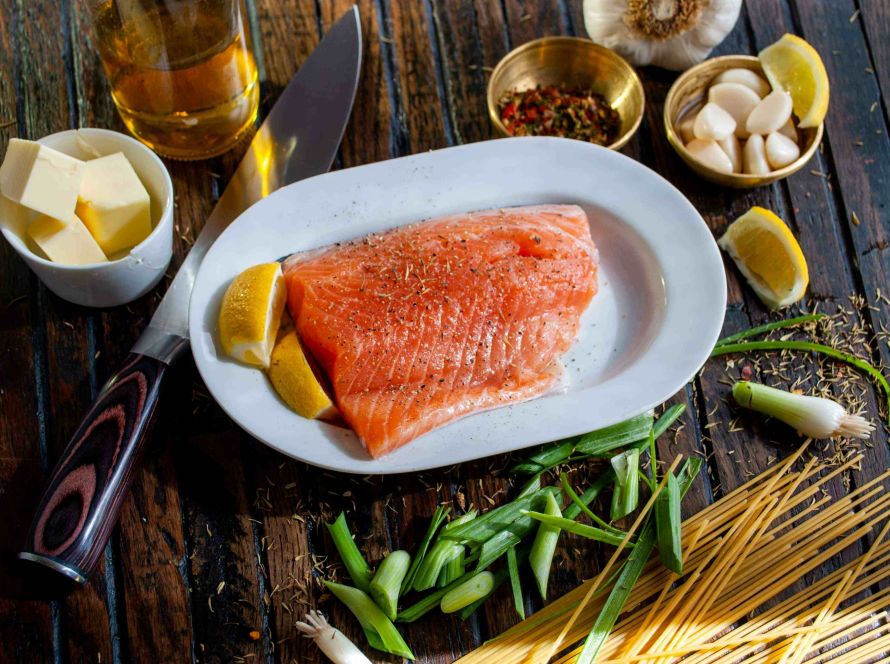
Protein is the single most important nutritional factor for muscle preservation during any period of weight loss, and especially during GLP-1 use. GLP-1 medications suppress appetite significantly, which is how they work — but many people on these medications aren’t eating enough protein because they’re simply not hungry.
Under-eating protein while losing weight accelerates muscle breakdown. The research is clear that maintaining adequate protein intake during GLP-1 treatment is essential for preserving lean mass.
Practically, this means making protein a priority at every meal — even if appetite is low. Lean proteins, Greek yogurt, eggs, legumes, and protein shakes can help reach targets without requiring large meal volumes. Most adults need significantly more protein than they think: general recommendations for those in active weight loss range from 1.2–1.6g per kilogram of body weight per day.
Strength Training Is Non-Negotiable
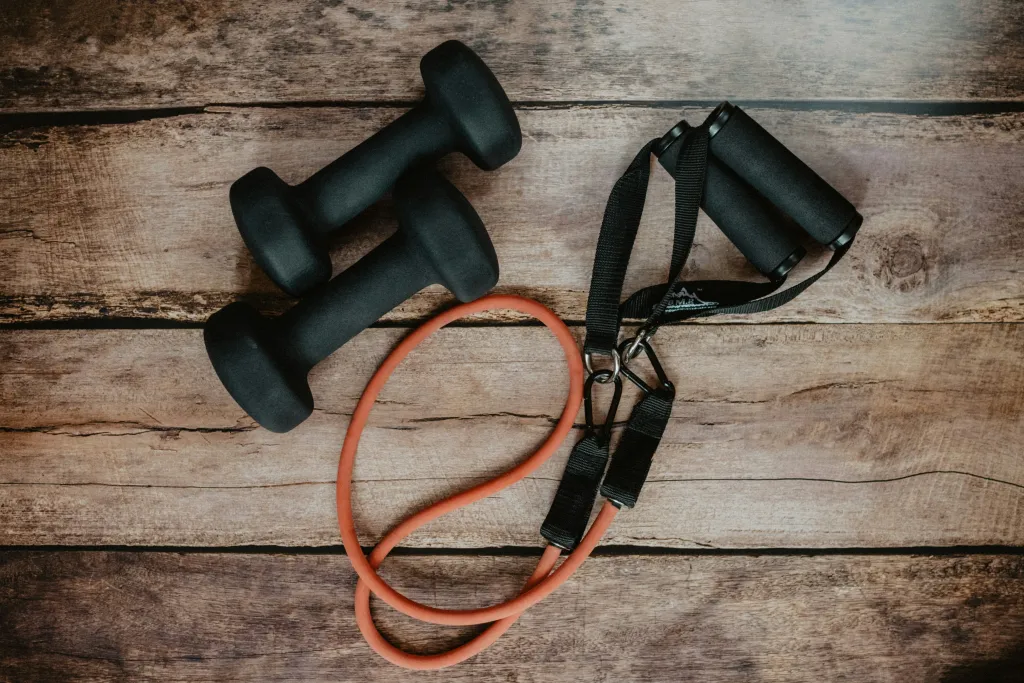
Resistance training is the primary stimulus for muscle maintenance. It sends the signal that muscle is needed and worth preserving — and without that signal, the body will sacrifice muscle during caloric restriction.
You don’t need to train intensely or spend hours in the gym. Two to three sessions per week of compound resistance exercises — squats, deadlifts, rows, presses — provide the stimulus your muscles need. This applies whether you’re currently on a GLP-1 medication, considering one, or transitioning off.
For women who have never done formal strength training, this is the moment to start. The benefits extend far beyond muscle preservation: improved bone density, better insulin sensitivity, reduced cortisol, and improved overall metabolism.
Thinking About Stopping? The Transition Matters
One of the most critical and underaddressed aspects of GLP-1 use is what happens when you stop. Without adequate protein intake and strength training throughout the medication period, much of the weight lost may return — and the ratio of fat to muscle may be worse than before starting.
Building strong habits around nutrition and movement during GLP-1 use is the foundation for sustainable results after it. This isn’t about willpower — it’s about building the metabolic infrastructure (muscle, healthy insulin sensitivity, good eating habits) that allows the body to maintain what was achieved.
Blood Sugar Still Matters
GLP-1 medications improve blood sugar regulation while you’re taking them. But insulin sensitivity is fundamentally a function of muscle mass and lifestyle — meaning the habits built during GLP-1 use determine whether you retain improved metabolic function after stopping.
Continuing to eat in ways that support blood sugar stability — protein and fibre at every meal, limited refined carbohydrates, consistent meal timing — supports the metabolic improvements the medication initiated.
You Deserve a Full Picture
GLP-1 medications are a legitimate medical tool for many people. They are also not a complete metabolic wellness strategy on their own. The women and men I work with who have the best long-term outcomes are the ones who use the medication as one piece of a larger approach — building the nutrition habits, movement foundation, and metabolic knowledge to sustain their results.
The GLP-1 Wellness & Muscle Preservation Course at Vitaliat ($127–147 CAD) was specifically designed for people using, considering, or transitioning off GLP-1 medications. It covers protein education, muscle preservation strategies, strength training support, blood sugar regulation, and recovery — the full framework you need to get the most from this medication and maintain those results long-term.

Keep Your Education Going with Vitaliat
Whether you’re just starting out or ready to go deeper, there’s a Vitaliat program designed for exactly where you are right now.
Free 7-Day Fitness & Nutrition Reset — Free
The perfect starting point. Foundational habits for nutrition, hydration, movement, and metabolism.
5-Day Debloat Reset — $27 CAD
Targeted digestive support, bloating reduction, and inflammation relief in just 5 days.
Liver Detox & Foundational Wellness Reset — $47 CAD
Gentle nourishment-focused reset for liver health, digestion, and foundational wellness.
30-Day Metabolic Reset — $97 CAD
Blood sugar balance, hormone support, inflammation reduction, and sustainable energy restoration.
Perimenopause Metabolic Reset — $127 CAD
Specialized support for women navigating hormonal shifts, fatigue, sleep disruption, and metabolic change.
GLP-1 Wellness & Muscle Preservation Course — $127–147 CAD
For those using, considering, or transitioning off GLP-1 medications — protect your muscle and metabolism.
90-Minute Personalized Coaching Session — $225 CAD
One-on-one wellness strategy session with Kristin — personalized guidance, accountability, and a clear action plan.
12-Week Metabolic Balance® Reset Program — From $1,299 CAD
Vitaliat’s flagship bloodwork-guided, fully personalised coaching program — for both women and men. Men consistently see improvements in testosterone, cholesterol, insulin sensitivity, energy, and sleep.
Explore all programs at www.vitaliat.com
Medical Disclaimer: Vitaliat provides science-led wellness education for adults navigating metabolic and hormonal health. All content is educational in nature and is not a substitute for personalized medical advice. Always consult your qualified healthcare provider for guidance specific to your situation.